Your Garden’s “Wow” Factor

Your Garden’s “Wow” Factor
Grow an astonishingly abundant organic garden with Miracle-Gro's latest and greatest in Organics. We promise you’ll be jumping for joy (mind your plants!)
Start With Great Ingredients,
End With Astonishing Results
Our new Organics are going to help you grow an awe-inspiring garden that will make you ridiculously happy with the results.
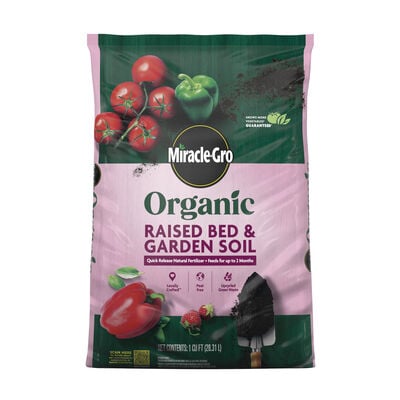
Raised Bed & Garden Soil
Grow more vegetables, organically!* Made with upcycled green waste and natural fertilizer to keep your fave veggies, herbs, and blooms fed for up to 2 months.
Disclaimer: *vs. unfed plants

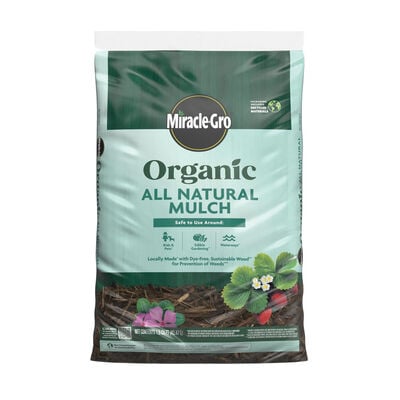
All Natural Mulch
Dye-free and made from natural forest products, our All Natural Mulch helps edible gardens thrive organically while naturally preventing weeds.*
Disclaimer: *Blocks growth and access to sunlight when applied in a 3-inch layer.

Earth-Friendly is Kind of Our Thing
Sustainability
What we use in our products, where we source it from, and how is all rooted in making sure you can feel good about what you put into the ground — and so can the planet!

Made Local
At Miracle-Gro®, we’re all about providing products that are made at a location as close as possible to your store.