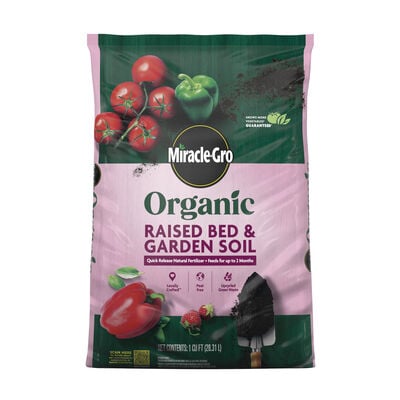
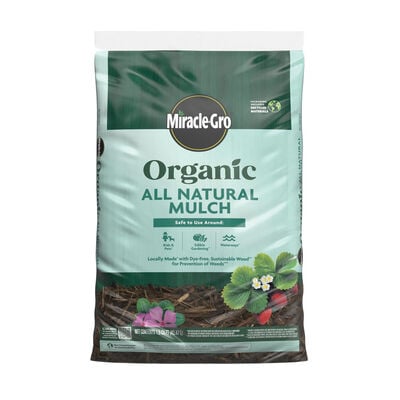
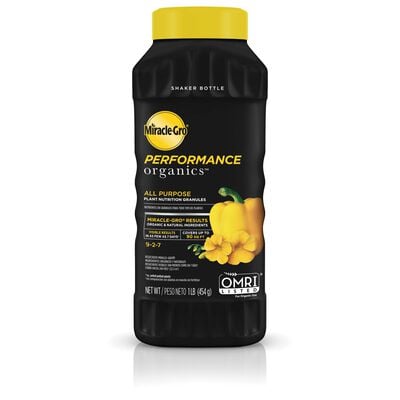
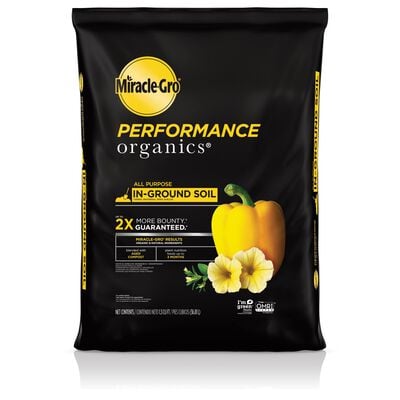
EcoScraps recycles food waste into all natural organic garden products. Instead of clogging landfills and gassing the air we breathe, EcoScraps products enrich your soil, helping you grow healthier plants in the most environmentally friendly way.

Here are all the environmental problems we are attacking at EcoScraps:
-
Problem #1:
Food Waste is polluting our Air
Over 30 million tons of food is thrown away every year (USDA). When food rots, it releases methane gas, a GHG which is 20 times more damaging to the environment than carbon dioxide (US EPA). If we cut our food waste in half we would reduce our entire carbon footprint by more than 25% (CNN Report)
Solution: Compost food waste. Aerobic composting avoids the formation of methane (The World Bank).
-
Problem #2:
The loss of fertile soil
FDR said “A nation that destroys its soils destroys itself”
Soil is the root of our existence,essential to life on earth. The whole biological enterprise of life outside the oceans depends on the nutrients soil produces and retains. In the last 100 years we have lost (net)1/3 of our topsoil (Dirt! The Movie). Industrial agriculture loses more than 24 Billion tons (net loss) per year of topsoil through erosion into the world’s rivers (Dirt: The erosion of Civilizations)
Solution: Composted food waste = more fertile soil that has the organic matter to benet below-ground life.
-
Problem #3:
Increased use of Fertilizers
Up to 25% of Green House Gas emissions come from industrial agriculture’s war against the soil.
(Dirt! The Movie) By some estimates only 20% of nitrogen fertilizers are absorbed by plants.The remainder goes mobile and ends up in the water table or in our streams, rivers, and oceans. Once in the ocean the high levels of nitrogen creates algae blooms, suffocating all marine life, creating dead zones where only jellysh can thrive. Once combined with oxygen the GHG nitric oxide is created.
Solution: Using organic composts instead of synthetic fertilizers. A 28 year study by Rodale (Spring 2008) shows that organic farming methods reduce carbon emissions by 25%.
-
Problem #4:
Low nutrients and trace minerals in food
Over the last 100 years, since the beginning of industrial agriculture, Food has Become Less Nutritious. Fertilizers provide high levels of nitrogen and low levels of trace minerals for fast growth. This results in very weak watery cell growth in plants. The watery cells are more prone to insect damage and disease. These plants then need more fertilizers and pesticides for continued growth, creating a continual downward spiral.
Solution: Composted food waste is high in nutrients and organic matter, which increase both the health and productivity of the soil.